- Cryptopolitan
- Posts
- Coinbase CEO: TradFi is broken
Coinbase CEO: TradFi is broken
Does Gen Z prefer crypto over stocks? PLUS: Grayscale dismisses quantum threat, US hints at tax refunds and an Island nation tested Universal Basic Income on blockchain

Cryptopolitan News
December 17, 2025 • Estimated Reading Time: 3 minutes

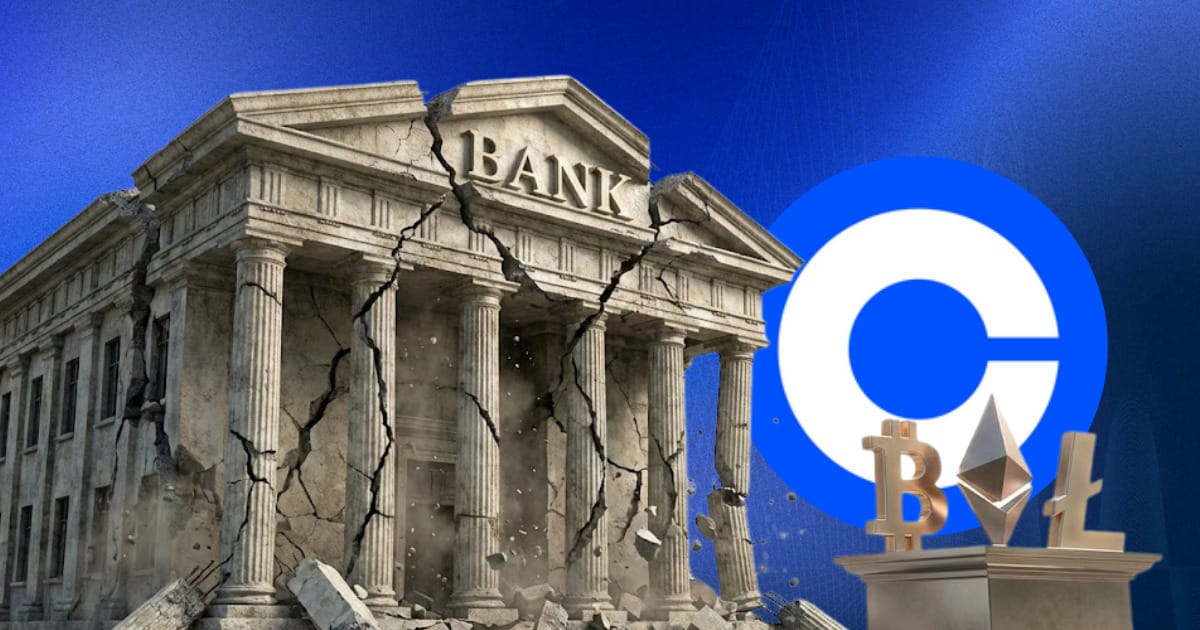
TradFi is broken. DeFi is moving in.
Brian Armstrong spoke this week, and he said the quiet part out loud:
Traditional finance is broken. Not inefficient, not outdated.
Broken.
His point wasn’t ideological. It was generational.
Younger investors feel shut out of the old wealth ladder and they are voting with their capital. Crypto, not stocks or bonds, is what they’re hunting for upside on, visibility into and control over.
The shift is already visible:
Almost half of young investors are in crypto
They have 3x the percentage allocation to alternative investments that older groups do”
Another is to purchase a few crypto ETFs
Crypto isn’t a trade for Gen Z and millennials. It’s financial infrastructure.
Even legacy players agree. But the CEO of Fidelity, Abigail Johnson, has referred to traditional financial systems as “primitive,” cautioning that institutions waiting too long to jump on blockchain rails will lose customers to faster, programmable alternatives.
And this week, words turned to action.
Regulatory pressure comes off DeFi
After four years, the SEC quietly terminated its Aave investigation without taking any enforcement action.
That matters.
Aave is one of the world’s largest DeFi lend platforms. Passing this test removes one potential big institutional red flag and indicates some more flexibility in regulators’ attitude toward mission critical, mature DeFi infrastructure.
Its founder, Stani Kulechov, described it as a milestone. The platform is now transitioning from surviving to expanding.
Cryptopolitan’s take
Armstrong is shouting out what’s broken.
Projects like Aave are getting clearance.
This is not a plan to replace banks overnight. This is about where capital, users and innovation are quietly going while legacy systems argue over the future.
Do you think younger generations are more inclined toward crypto than traditional investing? |

📊 Market Watch

🏛️ Tax refunds are coming, big ones.
Americans may qualify for a $100B-$150B tax refund in Q1 2026 after retroactive changes under the One Big Beautiful Bill Act, U.S. Treasury Secretary Scott Bessent says
That’s roughly $1,000–$2,000 per household. Refunds hit before withholding adjusts, meaning a short-term cash boost now and higher take-home pay later. Markets are watching how this feeds into consumption, inflation, and rate expectations.
🤖 That AI token hype meeting reality
There is a new type of token on the scene that has been gaining lots of attention among the crypto community, AI tokens.
Crypto whale just saw $23M turn to $2.58M, an 89% loss after going all-in on AI-agent tokens. Some positions fell by more than 99% as liquidity disappeared.
📉 Bitcoin slides into a rare territory.
Bitcoin is set to post its fourth annual loss ever, currently down ~7% YTD and well below October’s $126K high.
This time it’s different: no scandal, no market crash, just fatigue and lack of follow through even with ETFs in the mix along with regulatory support and institution buyers.
ETF flows are negative, leverage is being washed out and traders await. Some desks view this as a time correction and not a structural breakdown.
👀 Are you watching this
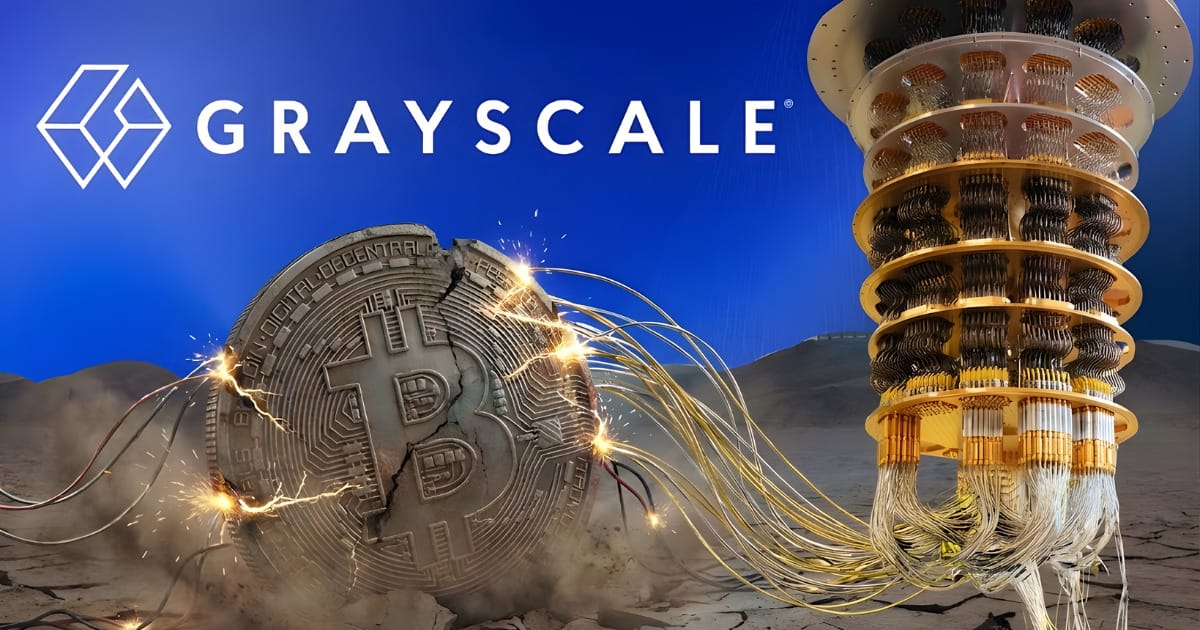
Grayscale labeled quantum computing a “red herring” for the year ahead in its 2026 Digital Asset Outlook, saying that the technology is at least ten years away from being a threat against Bitcoin’s cryptography.
The firm says markets should focus on what actually moves prices in 2026: regulation , institutional flows, macro conditions, and adoption, not speculative fears about tech to come.
Indeed, quantum computers could one day threaten public-key cryptography. But the consensus among Grayscale and fund managers and most cryptographers is that there’s a lot of time to transition over to post-quantum standards before that becomes a real problem.
The bottom line: quantum risk is a long-term research problem, not a near-term market catalyst. That shouldn’t be priced in by investors just yet.
🐥 Top tweets
Here are Cryptopolitan’s top picks:
🎭 Culture corner

Instead of flying cash onto far away islands every few months, the Marshall Islands just sent universal basic income digitally, via a U.S. dollar backed sovereign bond (USDM1) on the Stellar blockchain. People residing on 24 remote atolls promptly received payments using a simple app, Lomalo.
This is not some new currency, or a test in crypto. USDM1 is an actual government bond, governed by New York law and fully supported by short-dated U.S. Treasuries held via an independent trustee. Think old-school finance, new-school rails.
More than 33,000 have already registered, making it the largest nationwide digital rollout in the country’s history.
And quietly, a small Pacific nation just demonstrated what real-world crypto adoption actually looks like when it solves a problem.
Headline picks by our Cat

Giphy
Want in on our live sessions and courses?
Cryptopolitan Academy is where we run live sessions like Market Intelligence Live, plus courses and other learning for readers who want to go deeper.
Meme of the day

Join the Conversation!
We'd love to hear your thoughts and comments. Join our community and stay updated with the latest trends and discussions in crypto.
Twitter | Instagram | Telegram Channel | Linkedin | Facebook